Juice Guide
Ginger
Juice
How much juice does ginger yield? Masticating vs centrifugal data, full nutrition per 100ml including gingerol retention, and how much juice from 1 lb or a week of daily shots.
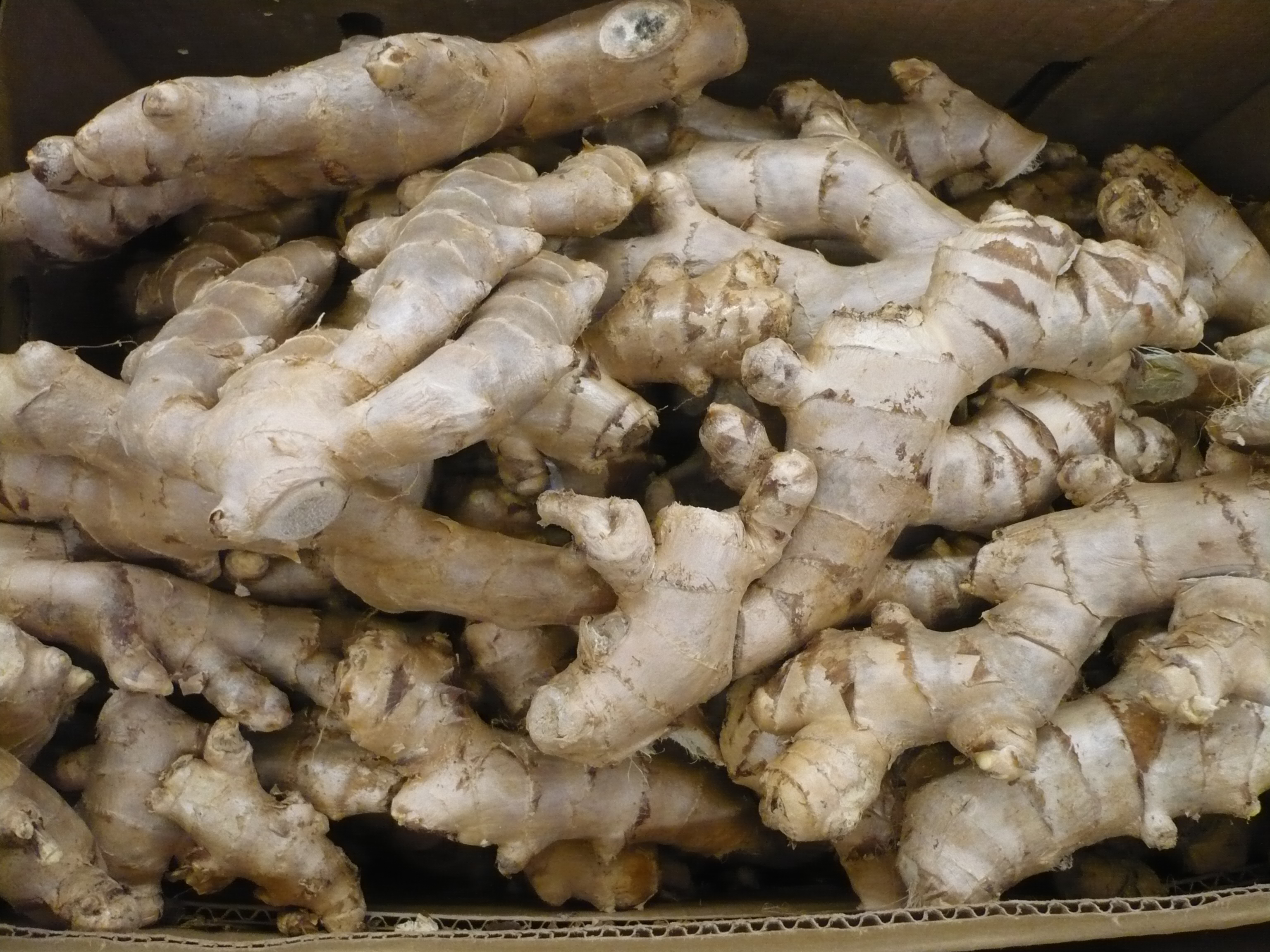
Ginger is the outlier in juicing — dense, fibrous, and low-yield compared to every other produce item, but intensely concentrated in the juice that does come out. A masticating juicer extracts 38–50% from fresh ginger root, yielding a shot-sized volume that’s rich in gingerols (ginger’s primary anti-inflammatory compounds), potassium, and magnesium. The low volume is the point: you don’t juice ginger for bulk, you juice it for concentration.
Whether you’re measuring out daily 1 oz shots, calculating a weekly batch, or figuring out how much ginger to add to a carrot-apple blend, the math on ginger is less intuitive than most produce — yield swings more with freshness and juicer type than anything else on this list. Use the calculator to dial in your specific quantity and juicer combination.
The Numbers That Matter
Ginger Juice Yield
by Juicer Type
How much juice you actually get from 100g of ginger depends heavily on your extraction method. These ranges are sourced from peer-reviewed research and manufacturer data.
| Juicer Type | Yield | ml per 100g | Data Quality | Source |
|---|---|---|---|---|
| Twin Gear | 50-60% | 50-60ml | Industry | Twin gear manufacturer benchmarks for fibrous rhizomes; ginger's dense fiber structure limits extraction vs. high-water vegetables |
| Hydraulic Press | 40-55% | 40-55ml | Peer-Reviewed | Academic ginger juice extraction study (avg 41.6% yield, 57.4% extraction efficiency); hydraulic press: Norwalk, Pure Juicer |
| Masticating | 38-50% | 38-50ml | Industry | Juicer manufacturer data for fibrous roots; gingerol retention ~92% vs 78% in centrifugal |
| Centrifugal | 25-35% | 25-35ml | Estimated | Category estimate for dense fibrous rhizomes; centrifugal blades struggle with ginger fiber, significantly lower yield and bioactive retention |
Yield
50-60%
ml / 100g
50-60ml
Twin gear manufacturer benchmarks for fibrous rhizomes; ginger's dense fiber structure limits extraction vs. high-water vegetables
Yield
40-55%
ml / 100g
40-55ml
Academic ginger juice extraction study (avg 41.6% yield, 57.4% extraction efficiency); hydraulic press: Norwalk, Pure Juicer
Yield
38-50%
ml / 100g
38-50ml
Juicer manufacturer data for fibrous roots; gingerol retention ~92% vs 78% in centrifugal
Yield
25-35%
ml / 100g
25-35ml
Category estimate for dense fibrous rhizomes; centrifugal blades struggle with ginger fiber, significantly lower yield and bioactive retention
Know Your Amount?
Enter how much you have — get exact yield and nutrition.
Juice-Adjusted Values
Ginger Juice
Nutrition Per Cup
Per 240ml cup. These values reflect what ends up in your glass after juicing — not raw whole ginger nutrition.
Calories
66
kcal / cup
Carbs
23g
3.5g sugar
Protein
0.5g
per 240ml
Fiber
0.3g
retained in juice
Vitamin C
8mg
9% daily value
Potassium
620mg
13% daily value
Calcium
24mg
2% daily value
Magnesium
80mg
19% daily value
Daily values based on a 2,000 calorie diet. Values sourced from USDA FoodData Central, adjusted for juice extraction yield. Individual results vary by juicer type.
Step by Step
How to Juice
Ginger
01
Prep Your Produce
Wash ginger thoroughly. Cut into pieces that fit your feed chute — typically 1–2 inch sections. Room-temperature produce extracts slightly better than cold from the fridge.
02
Set Up Your Juicer
Place your collection vessel under the juice spout. For masticating and twin gear juicers, select the firmest produce setting if your machine offers it.
03
Feed and Extract
Feed pieces steadily without forcing. Push firmly but let the juicer work at its own pace — rushing reduces yield. Alternate with softer produce if mixing.
04
Strain and Serve
Strain through fine mesh for cleaner juice. Drink immediately for maximum nutrient retention, or store in an airtight glass jar for up to 24 hours.
What kind of juice are you making?
Enter your exact ingredients, pick your juicer, and see the true yield and nutrient profile instantly!
Common Questions
Ginger Juice FAQ
How much juice does 1 lb of ginger make?
One pound of ginger (approximately 454g) yields roughly 180–250ml in a masticating juicer — about 6–8.5 oz. Centrifugal juicers extract considerably less: typically 110–160ml from the same pound, because ginger's dense fibrous structure resists high-speed spinning blades.
Ginger is one of the most yield-variable produce items. Freshness matters enormously — old, shriveled ginger can yield 30–40% less than fresh, plump rhizomes. Young ginger (with thinner skin and higher moisture) also yields more than mature ginger bought at most grocery stores.
How many ginger shots does 1 lb of ginger make?
A standard ginger shot is 1–2 oz (30–60ml). From 1 lb of fresh ginger in a masticating juicer (approximately 180–250ml yield), you'll get roughly 4–8 shots depending on your serving size.
If you're making daily 1 oz shots, a 1 lb piece of ginger covers about a week. For 2 oz shots, plan on roughly half that. For exact quantities based on your juicer type and shot size, use the calculator.
How much ginger for 1 cup of ginger juice?
To yield 8 oz (240ml) of pure ginger juice in a masticating juicer, you'll need approximately 1.5–2 lbs (680–900g) of fresh ginger. That's a substantial amount — ginger's low water yield relative to its bulk is why pure ginger juice is almost always consumed as shots rather than full glasses.
Most people blend ginger juice with higher-yield produce like apple, carrot, or cucumber to stretch volume. Even at 1–2 oz of ginger juice per serving, you're getting the full gingerol concentration without needing impractical quantities.
How much juice from a 1 lb bag of ginger over a week?
A 1 lb (454g) piece of ginger yields roughly 180–250ml in a masticating juicer — enough for 6–8 daily 1 oz shots. At 2 oz per day, you'll use through 1 lb in about 3–4 days.
Ginger stores well in the fridge for 2–3 weeks unpeeled, so buying in larger quantities is practical. A 2 lb piece covers two weeks of 1 oz daily shots in a masticating juicer.
Why does my ginger juice yield vary so much?
More than almost any other produce, ginger yield swings wildly based on three factors: freshness (fresh ginger has far more moisture than dried-out grocery store rhizomes), age of the root (young ginger yields significantly more), and juicer type (centrifugal juicers lose 30–50% more yield than masticating on fibrous material).
Prep also matters: peeling ginger before juicing removes some of the fibrous outer skin and can improve extraction. Cutting ginger into small pieces or thin coins rather than feeding large chunks helps masticating juicers extract more efficiently. If you're getting consistently low yields, try smaller pieces and fresher ginger first.
Does juicer type affect ginger juice nutrition and gingerol content?
Yes — and for ginger, it matters more than for most produce. Research shows masticating juicers retain approximately 92% of gingerol (ginger's primary bioactive compound) versus 78% in centrifugal juicers. That's a 14-point gap driven by oxidation: centrifugal juicers spin at high speed, introducing air that degrades heat- and oxygen-sensitive compounds.
Masticating also wins on yield over centrifugal — you're getting more juice per gram of ginger and more of the active compounds in that juice. If you're juicing ginger specifically for its anti-inflammatory or digestive properties, a masticating juicer (Nama J2, Hurom, Omega) is the meaningful choice, not just a preference.
Should I peel ginger before juicing?
Not necessarily — but it depends on your ginger. Fresh, young ginger has thin skin that's perfectly fine to juice unpeeled, and the skin contains some beneficial compounds. Older, mature ginger from most grocery stores has tougher, more fibrous skin that can slightly reduce extraction efficiency and add bitterness.
For grocery store ginger, a quick peel is reasonable. For fresh young ginger from a farmers market or Asian grocery, juice it whole. Either way, scrubbing the surface thoroughly before juicing is more important than peeling.
Can you drink too much ginger juice?
Yes, and ginger has a real daily upper limit. Most clinical guidelines and herbalist recommendations cap ginger at 4–5g of gingerol-equivalent per day from all sources — roughly 1–2 oz of pure ginger juice. Higher doses can cause heartburn, acid reflux, digestive irritation, and at very high levels, may interact with blood-thinning medications like warfarin.
The traditional therapeutic dose (1–2 oz per day as a shot) keeps you well within safe range. Drinking 4–8 oz of pure ginger juice daily is excessive for most people and likely to cause GI discomfort. If you're pregnant, check with your provider — ginger has documented effects on nausea but high doses during pregnancy are generally cautioned against.
Is ginger juice good for nausea and digestion?
Strong evidence says yes for nausea — ginger is one of the few herbal remedies with genuine clinical trial support for nausea relief (motion sickness, morning sickness, and chemotherapy-induced nausea). The active compounds are gingerols in fresh juice and shogaols in dried/heated ginger.
For digestion, ginger stimulates gastric motility — meaning it helps food move through the stomach faster. This is useful for bloating, indigestion, and sluggish digestion. A 1 oz shot of fresh ginger juice before or after meals is a well-documented folk practice with plausible mechanism behind it.
What ginger juice is not: a cure-all. The anti-inflammatory benefits that show up in cell studies require doses well above what you'd get from daily shots. The digestive and nausea benefits are real at practical doses.
How long does fresh ginger juice last in the fridge?
Pure fresh-pressed ginger juice keeps 3–5 days refrigerated in an airtight container. It's intensely concentrated, so even if you're making a small batch, the short shelf life is manageable since servings are small (1–2 oz per day).
For longer storage, freeze it in ice cube trays — each cube is approximately 1 oz and keeps for up to 3 months. Frozen ginger juice retains gingerol content well. Adding a small amount of lemon juice (which yields well per 100g) extends fresh shelf life slightly and balances the flavor.
Also in Your Blend